
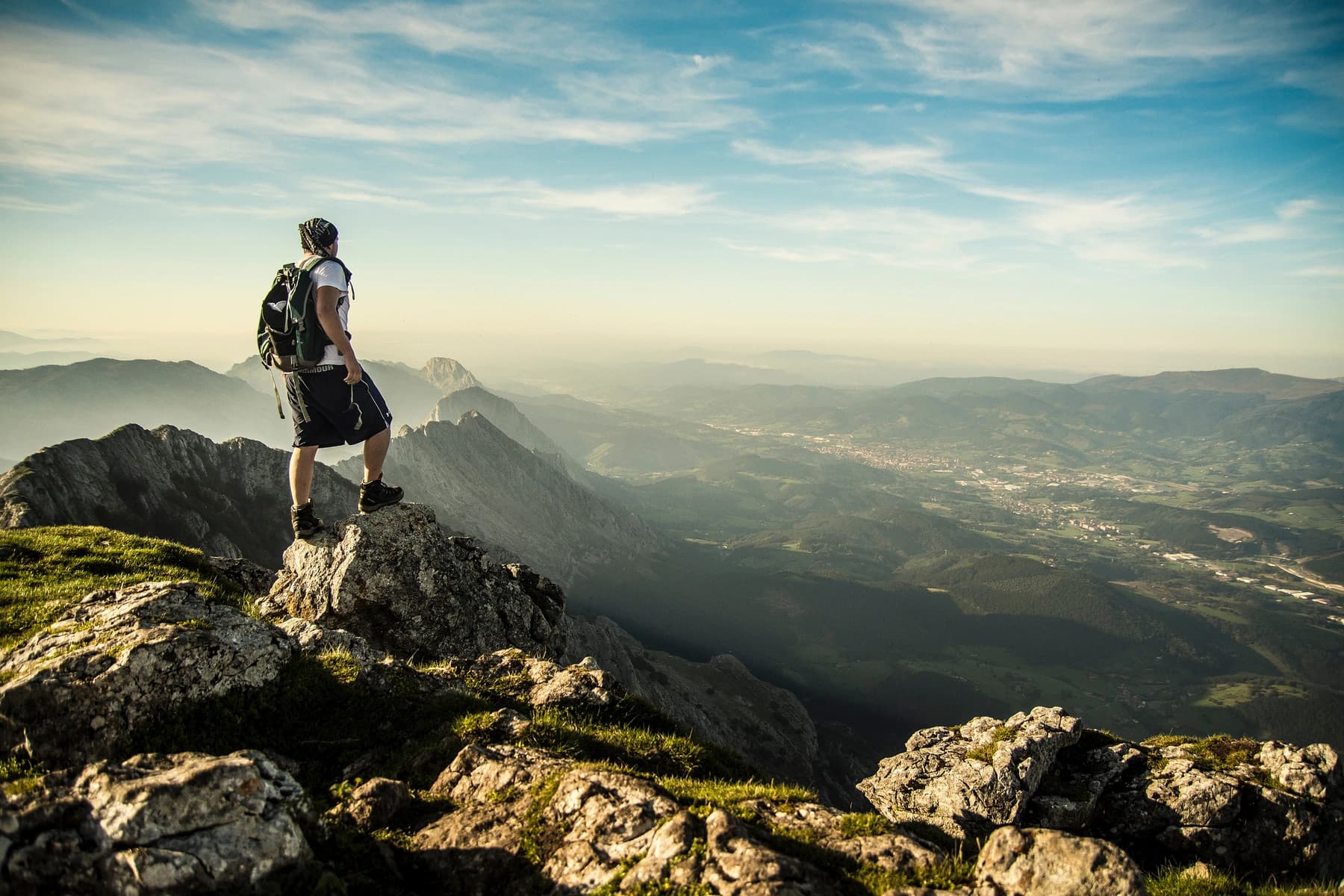
Prepare for high altitude safely
For adults travelling to high altitudes who want to reduce altitude sickness risk. Get a private assessment, clear acclimatisation advice, and tablets when suitable after clinician review.
Tablets help, pacing matters more
Altitude sickness often starts within hours of arrival at high altitude. The best protection is slow ascent and rest days. Tablets can support acclimatisation for some people, after safety checks. Source: NHS altitude sickness patient information.

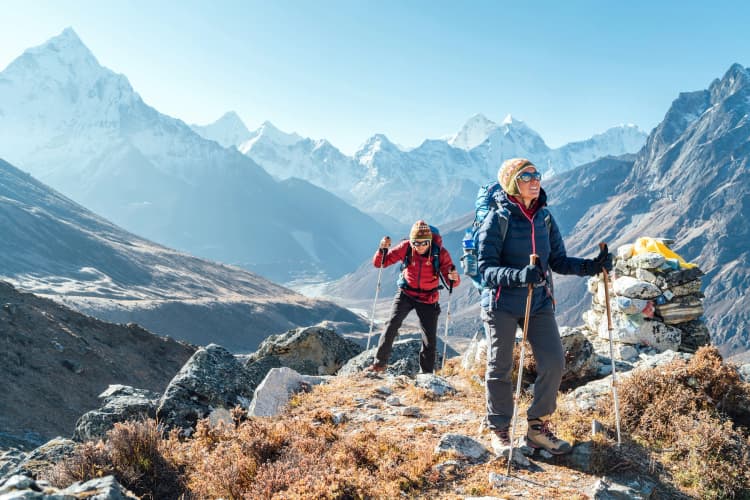


Treatment options available
Options may include acetazolamide tablets when suitable for you. For mild symptoms, rest, stop ascent, hydrate, and use simple pain relief if you normally can. Severe cases need urgent descent. Source: NHS altitude sickness advice; acetazolamide patient leaflet.
Who it is for
This service suits adults planning fast ascent, high sleeping altitude, or prior altitude sickness. It may be unsuitable if you are pregnant, have severe kidney or liver problems, or have a severe sulfonamide allergy. Source: acetazolamide patient leaflet; altitude illness clinical travel guidance.
How the process works
You complete an online questionnaire about your trip height, ascent rate, symptoms history, and medicines. A clinician reviews for interactions and red flags. You receive prevention advice and tablets when suitable, with clear use guidance. Source: NHS altitude sickness advice; medicines information on acetazolamide.
Safety and clinician review
Some altitude medicines can interact with your usual treatment or be unsafe with certain conditions. Your review checks allergies, kidney health, pregnancy status, and medicines. You also get clear advice on when to stop and descend. Source: acetazolamide patient leaflet; NHS altitude sickness advice.
Spot danger signs early
Worsening breathlessness at rest, chest tightness, a wet cough, confusion, poor balance, or fainting are red flags. Do not keep climbing. Descend and seek urgent medical help. Source: NHS altitude sickness patient information; altitude illness clinical travel guidance.
Worsening breathlessness at rest, chest tightness, a wet cough, confusion, poor balance, or fainting are red flags. Do not keep climbing. Descend and seek urgent medical help. Source: NHS altitude sickness patient information; altitude illness clinical travel guidance.
Sleep lower than you climb where possible. Add rest days as you gain height. Avoid alcohol for the first few days at altitude. Keep warm and hydrated. If symptoms start, stop ascent until you feel better. Source: NHS altitude sickness patient information.
Trusted Care Rate
97%
Our patients trust us and are consistently satisfied with our treatment & support
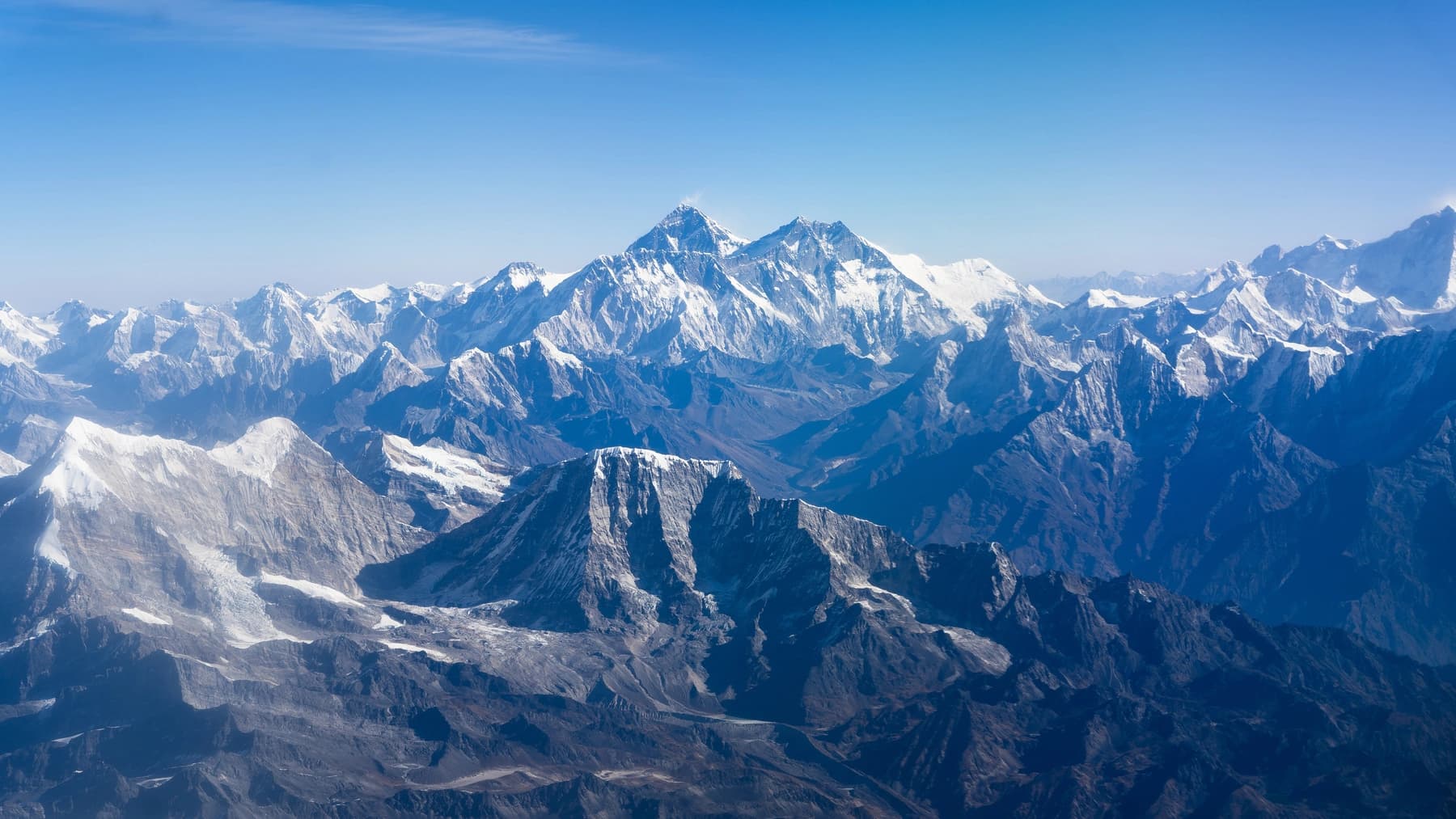
Travel ready, with clear safeguards
Private online assessment with practical assessment tips, symptom guidance, and tablets when suitable. Know what is normal, what is not, and when descent is the safest option.